

The Art and Engineering Behind Modern Zoo Habitat Construction
When visitors walk through a zoo and feel transported into a rocky canyon, a rainforest clearing, or a rugged mountain outcrop, they are experiencing something carefully engineered.
Modern zoo habitat construction is no longer about barriers and viewing windows. It is about immersion, animal welfare, structural durability, and storytelling working together as one cohesive environment.
Behind every convincing cliff face or shaded cave is a balance of design, behavioural understanding, and engineered artificial rockwork built to last decades.
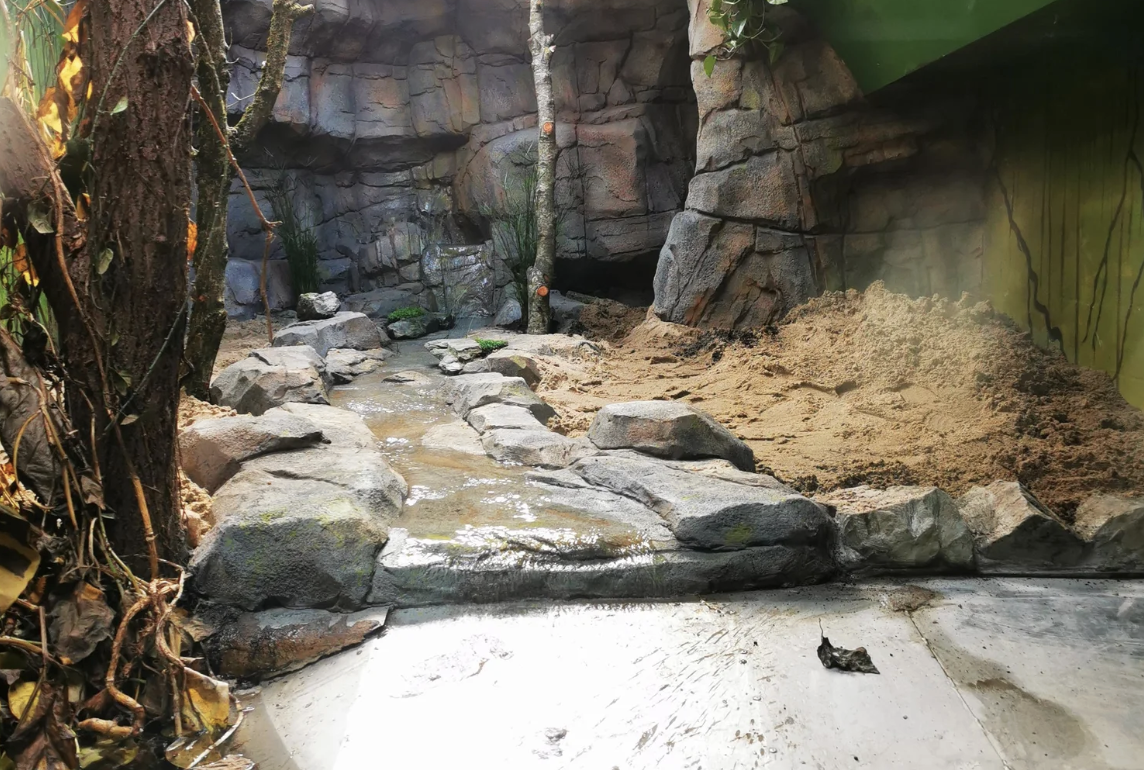
Zoo Habitat Construction
From Enclosure to Immersive Habitat
The expectations of zoos in the UK and internationally have evolved dramatically over the past twenty years.
Today’s leading zoological parks aim to create:
Naturalistic environments that encourage instinctive animal behaviours
Safe and durable structures capable of withstanding heavy use
Visitor immersion without visible barriers
Educational storytelling built into the landscape
Artificial rockwork and sculpted concrete systems allow zoos to create realistic terrain without relying on natural stone, which can be impractical, inconsistent, or structurally unsuitable for enclosure use.
When executed properly, artificial rock becomes both landscape and load-bearing structure.
Why Artificial Rockwork Is Essential in Modern Zoos
Natural rock formations are rarely available in the shapes, scales, or structural configurations required for animal habitats.
Purpose-built rockwork allows for:
Integrated climbing systems for primates and big cats
Custom cave formations for shelter and enrichment
Waterfalls and pools designed around filtration systems
Concealed service routes and keeper access
Structural reinforcement engineered for animal weight and impact
Shotcrete and reinforced sculpted concrete systems provide strength, flexibility of form, and long-term resilience against weather and wear.
For UK zoos especially, freeze-thaw durability and long-term maintenance considerations are critical. A habitat must look natural while standing up to decades of British weather.
Designing for Animal Behaviour
A successful zoo habitat is not purely visual. It must support species-specific behaviour.
For example:
Big cats require elevated vantage points
Primates benefit from vertical complexity
Hoofstock species require textured, non-slip surfaces
Aquatic species need carefully graded pool transitions
Artificial rockwork allows for complete control over texture, slope, ledges, and structural integration.
This is where habitat construction moves beyond decorative theming and into engineered environmental design.
Immersion for Visitors Without Compromising Safety
Modern zoo exhibit design often removes obvious barriers from sightlines.
Moats, hidden fencing systems, and naturalistic elevation changes are integrated into the landscape so visitors experience proximity without risk.
This approach increases dwell time, enhances photography opportunities, and strengthens emotional engagement with the animals.
The environment becomes part of the story.
International Opportunities in Zoo Development
Zoo habitat construction is increasingly global.
Emerging zoological parks in the Middle East, Europe, and Asia are investing heavily in immersive themed environments that meet international welfare standards while delivering memorable visitor experiences.
UK-based habitat specialists are well positioned to deliver internationally due to high construction standards and extensive experience with regulatory compliance.
With proper planning, artificial rock structures and themed habitat elements can be fabricated and installed worldwide.
Longevity and Maintenance
One of the most overlooked aspects of zoo enclosure construction is lifespan.
Artificial rockwork must:
Resist cracking and delamination
Withstand impact and animal interaction
Retain realistic surface finishes over time
Integrate safely with water systems
A well-constructed habitat should require minimal long-term intervention beyond standard inspection and cleaning.
Durability is not optional in zoological environments.
The Future of Zoo Habitat Construction
The direction is clear: immersive, behaviour-driven, and structurally intelligent environments.
The next generation of zoo exhibits will continue to blur the line between constructed space and natural landscape, supported by advanced materials, integrated water systems, and increasingly sophisticated thematic design.
For zoos planning redevelopment or new builds in the UK or internationally, early collaboration with experienced artificial rockwork and habitat construction specialists is key to achieving both realism and resilience.
Planning a Zoo Habitat Project?
If you are developing a new exhibit or upgrading an existing enclosure, Unreal Productions provides artificial rockwork and immersive habitat construction services from the UK to projects worldwide.
From structural rock formations to integrated waterfalls and behavioural climbing systems, we deliver environments designed for animals, visitors, and longevity.
Contact us to discuss your upcoming project.